
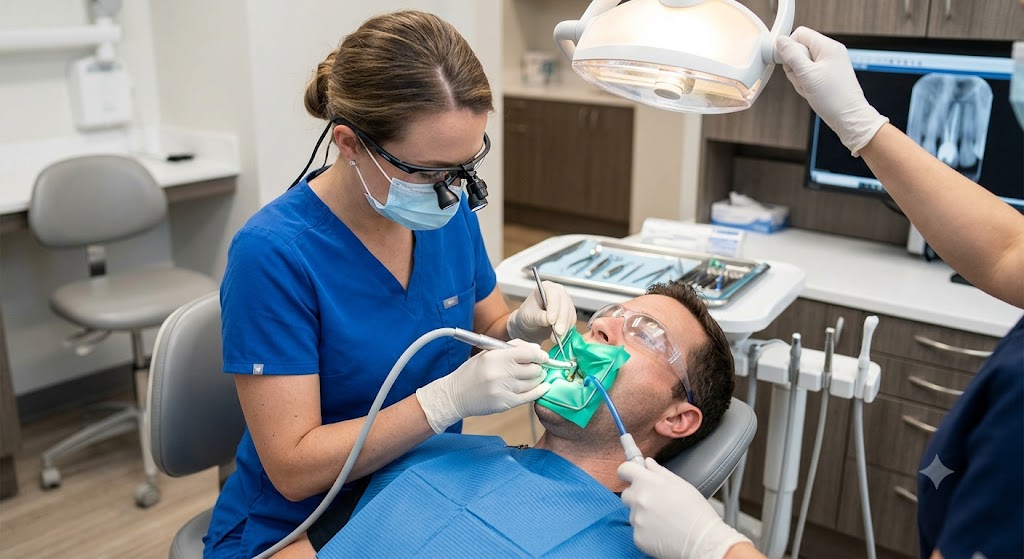
Can a Root Canal Save Your Tooth? Understanding the Treatment
An injured or infected tooth can lead to pain and discomfort, affecting your daily routine, including eating and drinking. In case you have been suffering from a toothache or teeth sensitivity, it might occur to you if there is a possibility to treat the tooth or if it has to be extracted. The positive aspect of this situation is the fact that root canal treatment can help you keep the natural tooth and make it work again.
So, how does the root canal treatment work and under which conditions it is required?
What Is Root Canal Treatment?
Root canal therapy is a dental treatment done to address infections or inflammation inside the tooth. Underneath the tough outer layers of enamel and dentine, there is a soft tissue known as the dental pulp that comprises nerves and blood vessels.
If bacteria reach the pulp due to deep tooth decay, cracks, injury, or any other reason, it could cause inflammation or infection in the pulp. If not treated, this infection might spread to the surrounding tissues, leading to an abscess.
In root canal treatment, a dentist will first remove the damaged or infected pulp from the tooth, then clean and disinfect the tooth interior, and seal it to prevent further infections. The primary goal of root canal treatment is to save your natural tooth.
Can a Root Canal Really Save Your Tooth?
Yes, root canal treatment is possible to save many teeth which would otherwise need to be extracted. But the success of the procedure depends on the level of the damage to the tooth and its ability to be treated properly.
A root canal may be recommended if you have:
- Deep tooth decay that has reached the dental pulp.
- An infected or inflamed pulp causing persistent pain.
- A cracked or damaged tooth that has affected the pulp.
- An infection following dental trauma.
- An abscess associated with an infected tooth.
The removal of this tissue along with the sealing of root canals will assist in saving the rest of the natural teeth.
However, if the tooth is highly broken, badly damaged, or has no good dental structure left to support a restoration procedure, then the root canal treatment may not be suitable. The dentist will evaluate the condition of the tooth.
What Are the Signs You Might Need a Root Canal?
Being able to identify the symptoms of a dental infection could mean seeking medical attention before the condition worsens.
Some of the most common symptoms include:
1. Toothache: If you have persistent tooth pain, there might be inflammation or infection within the tooth.
2. Sensitivity to hot and cold: A pain sensation that lasts even after eating hot or cold foods and drinks is a possible sign of damage to the pulp.
3. Pain when biting or chewing: Pain when applying pressure to the tooth could be a result of inflammation or infection.
4. Swollen or tender gums: Sometimes swelling around a certain tooth could be a symptom of infection.
5. Darker tooth: The darkening of a certain tooth compared to others could mean that it has sustained damage to its internal tissues.
6. Gum pimple or discharge: Swelling around the gum area near the tooth is a sign of an infection.
Not all patients suffer from obvious symptoms. On some occasions, the infection may be discovered through a regular dental checkup or on a dental X-ray.
If you have such symptoms, make sure to schedule a dental checkup. Swelling of the face, fever, or difficulty opening the mouth are signs of an infection spreading and need immediate attention. Difficulty breathing or swallowing are considered emergencies.
How Does Root Canal Treatment Work?
Root canal treatment can be done over one or multiple sessions, depending on the condition of the tooth and how complex the root canals are. This is the process involved in root canal treatment.
Step 1: Examination and Diagnosis
The dentist examines the damaged tooth, discusses your symptoms, and may also take dental X-rays. The X-rays help the dentist decide whether root canal treatment is necessary.
Step 2: Local Anaesthetic
A local anaesthetic is used for numbing the affected tooth. This is done in order to make the procedure painless, but some pressure and sensation will be felt during this process.
Step 3: Removing the Infected Pulp
An access hole is drilled in the tooth in question and the diseased and dead pulp is removed from the tooth and the root canals.
Step 4: Cleaning and Disinfection
Cleansing and disinfection of the root canal systems occur to clear away bacteria and diseased tissue. This process is essential to minimise the chances of reinfection and infection that might persist.
Step 5: Filling and Sealing the Tooth
After the root canals have been cleaned and prepared, they are filled and sealed with the appropriate filling material in order to avoid the re-entry of the bacteria into the root canals.
Step 6: Restoring the Tooth
Based on the existing tooth structure, your dentist will determine whether a filling or a dental crown should be made. The purpose of a crown is to help preserve a weak tooth.
Is Root Canal Treatment Painful?
A number of people fear undergoing the root canal treatment because they think it can be a very painful process. However, thanks to advanced technologies and anesthetics, root canal therapy is usually a tolerable procedure.
The whole point of root canal therapy is to eliminate the pain associated with inflammation and infection of the pulp of the tooth.
However, it may be followed by some sensitivity for a couple of days, especially if the tissue near the root was inflamed before.
In case of severe pain and/or swelling, consult your dentist.
What Are the Benefits of Saving Your Natural Tooth?
Saving your own tooth is beneficial in many ways.
Aids in normal biting and chewing: Preserving your own tooth ensures that you keep on biting and chewing normally.
Helps to preserve your natural smile: It enables you to keep your smile natural without any gap.
Helps in maintaining teeth alignment: The removal of the tooth can sometimes lead to the movement of other teeth, which could affect your bite.
Prevents the need for immediate replacement of the tooth: Extracting the tooth may mean discussing its replacement with your dentist using options like dental implant, bridge, or dentures. Saving a good tooth prevents you from having to undergo these procedures.
It helps you maintain good oral health: If the tooth gets restored properly and maintained, then it can stay functional for many years.
While root canal therapy has proven to be quite successful in suitable cases, there are no dental procedures that guarantee longevity of the tooth.
How Long Does a Root-Treated Tooth Last?
However, with proper procedures done on such a tooth, it could stay in your mouth throughout many years even until you die. It mainly depends on some aspects that are as follows: The amount of the healthy dental structure left, the quality of the root canal procedure itself, the type of restoration and the personal care of your teeth.
To help protect your treated tooth:
- Brush twice daily with fluoride toothpaste.
- Clean between your teeth every day.
- Attend regular dental examinations.
- Follow your dentist’s advice about a permanent filling or crown.
- Avoid biting excessively hard objects with a weakened tooth.
- Seek dental advice if you notice pain, swelling or damage to the restoration.
A well-fitted restoration is particularly important because a tooth with substantial structural damage may be more vulnerable to fracture.
Root Canal Treatment vs Tooth Extraction: Which Is Better?
The decision will depend on the specific situation of your teeth. The goal of the root canal treatment is to preserve the natural tooth and eliminate all infections in it. In case if extraction is needed, then it would imply a removal of the damaged tooth from your mouth.
| Root canal treatment | Tooth extraction |
| Aims to preserve the natural tooth | Removes the affected tooth |
| Usually followed by a filling or crown | May require a replacement tooth, depending on the situation |
| Retains the existing tooth position | Can leave a gap that may affect chewing or tooth alignment |
| Requires ongoing care and monitoring | Requires care during healing and possible future treatment planning |
Neither option is automatically right for every patient. Your dentist can explain the benefits, limitations, costs and likely outcomes of each approach.
How Can You Prevent the Need for Root Canal Treatment?
There is no surefire way to avoid all dental infections. However, one could minimize the risk of advanced tooth decays and infections with proper oral care.
Consider these habits:
- Brush your teeth twice a day using fluoride toothpaste.
- Clean between your teeth with floss or interdental brushes.
- Limit frequent sugary snacks and drinks.
- Attend regular dental check-ups.
- Seek advice about toothache or sensitivity rather than ignoring it.
- Wear a suitable mouthguard when advised for sports or other activities that pose a risk of dental injury.
Early treatment of tooth decay may help prevent damage to the dental pulp and reduce the need for more complex procedures.
When Should You See a Dentist?
If you experience a consistent toothache, sensitivity, pain during chewing, or swelling around a tooth, you need to make an appointment with your dentist. Don’t try to wait until the pain goes away by itself. There are some teeth that become infected but do not cause any pain anymore.
In case you have noticed swelling of your face, fever, or other symptoms of infection, you need to see your dentist right away.
Save Your Natural Tooth with Professional Dental Care
In some cases, root canal therapy can be one of the best ways to retain a patient’s natural tooth if there are infections or other problems in it. The infected tooth pulp removal, along with the restoration of the tooth itself, can make you feel comfortable and maintain normal dental function.
The choice of the treatment method will depend on the state of your tooth, so the examination is the key to choosing between the two therapies.
Blue Light Dental Clinic is the place where you can get expert advice regarding toothache, infection and treatment methods. If you have any symptoms for which you may need a root canal therapy, schedule your examination.
