
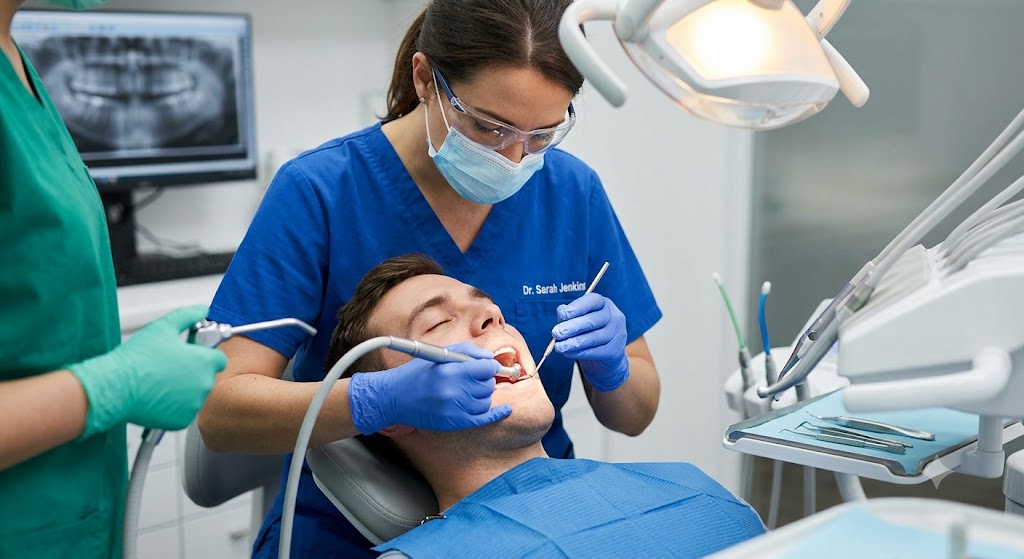
7 Common Dental Emergencies You Should Never Ignore
Sometimes, dental conditions can emerge quickly and cause a lot of pain or discomfort. Although some dental problems may wait until your next scheduled appointment, there are other problems that need urgent attention to avoid making things worse.
The following is a list of the signs of dental emergencies that you should know. The following are seven dental emergencies that you should not overlook.
1. Severe or Persistent Toothache
A minor toothache will usually go away on its own at times, but a serious one shouldn’t be overlooked.
Some of the causes of toothache are:
- Tooth decay
- Dental infection
- A cracked or damaged tooth
- An abscess
- Problems with an existing filling
- Infection affecting the dental pulp
An increase in pain, inability to sleep at night or problems with eating should prompt one to seek urgent dental care.
Pain medications can offer some relief from the pain, but they do not address the problem itself. Visiting a dentist will allow you to understand what causes the pain and how it should be treated.
2. Dental Abscess and Swelling
Dental abscess is an infection which can form around your tooth or in the gum.
Common signs can include:
- Severe toothache
- Swollen gums
- Facial or jaw swelling
- Tenderness
- A bad taste in the mouth
- Pus around the tooth or gum
- Difficulty chewing
- Increased sensitivity
It is essential not to neglect a tooth abscess since dental infections can spread and develop into more severe problems.
In case there is facial swelling or you find it hard to breathe or swallow, do not hesitate and get professional help immediately.
3. Broken or Fractured Tooth
The tooth can get fractured or broken due to accidents, playing sports, chewing hard foods, or weak tooth structure.
A broken tooth may cause:
- Pain when biting
- Sensitivity to hot or cold
- Sharp edges
- Bleeding
- Damage to the visible part of the tooth
When a tooth breaks, gently rinse the mouth with water and refrain from biting down on the side where the tooth broke. In case you have the fractured piece, keep it along and carry it to the dentist.
The dentist will examine the extent of damage and will figure out the best way to repair the tooth through a filling, bonding, crown or any other procedure.
4. A Knocked-Out Tooth
Knocked-out teeth in adults is an example of a dental emergency. If a tooth is knocked-out, hold it by the crown and not by the root, if possible. In case it is soiled, rinse it gently without scrubbing it.
The knocked-out tooth may be reinserted into its socket, if possible. Otherwise, the tooth should be kept moist inside either milk or saliva.It should not be dried and touched or damaged on the root
5. A Lost Filling or Crown
There could be times where the filling or the crown could get loose or even fall off without warning. Even though it will not hurt all the time, it makes the tooth become sensitive and open to more problems.
If you lose a filling or crown:
- Keep the area clean.
- Avoid chewing on that side.
- Avoid very hard or sticky foods.
- Keep the crown or filling if you still have it.
- Contact your dentist for advice.
Your dentist can assess the tooth and determine whether the restoration can be replaced or whether additional treatment is necessary.
6. Uncontrolled Dental Bleeding
Sometimes there could be bleeding after any kind of dental procedure or due to an injury. But if the bleeding does not stop or is too much, then it needs to be checked out.
In case you start bleeding after a dental injury, put a clean piece of gauze over the injured area and put steady pressure on it. If it still keeps bleeding, then you need to contact a professional as soon as possible.
7. Serious Dental or Mouth Injury
Accidents can cause damage to the teeth, gums, lips, tongue and jaw.
A dental injury may involve:
- Loose teeth
- Broken teeth
- Cuts to the gums
- Damage to the lips or tongue
- Jaw pain
- Swelling
- Bleeding
Even when the injury appears to be minor at first glance, a dental evaluation can help detect injuries that might not be readily apparent at first.
Those who have undergone severe trauma to their mouths should seek proper medical attention.
What Should You Do During a Dental Emergency?
During a dental emergency, try to remain calm and follow some common sense steps while seeking professional help.
Step 1: Assess the Problem
See whether there are any clear signs like pain, swelling, bleeding, damaged teeth or a missing one.
Step 2: Protect the Area
Do not bite down on the problematic side and refrain from putting additional pressure on the damaged tooth.
Step 3: Keep the Area Clean
Rinse your mouth with water if possible. Do not scrub or handle the affected area.
Step 4: Contact a Dental Professional
Describe your symptoms and what exactly happened. The dental practitioner will tell you about the urgency of your problem and organize the necessary help.
Step 5: Seek Emergency Medical Help When Necessary
Some cases might require medical rather than regular dental assistance. For instance, a serious facial swelling accompanied with the inability to breathe or swallow should be taken seriously.
Can Dental Emergencies Be Prevented?
All dental emergencies cannot be avoided but good oral hygiene practices can decrease your chances of having serious dental issues.
Simple habits can make a difference:
- Brush your teeth twice a day with fluoride toothpaste.
- Clean between your teeth regularly.
- Attend routine dental examinations.
- Have dental problems treated before they become more serious.
- Wear a suitable mouthguard during contact sports.
- Avoid chewing extremely hard objects.
- Follow your dentist’s advice about existing dental restorations.
Regular dental care allows potential problems to be identified before they develop into painful emergencies.
Don’t Ignore Dental Pain
One of the biggest mistakes that people commit is waiting for their toothache to go away on its own.
It is important to note that some problems in your teeth may seem better temporarily but the problem itself will continue progressing. One such instance is a tooth infection which might worsen if not addressed immediately. If you feel any pain or swelling in your teeth, consult a dentist.
When Should You See an Emergency Dentist? {H2}
You should consider seeking urgent dental care if you have:
- Severe or worsening toothache
- Significant swelling
- A dental abscess
- A knocked-out adult tooth
- A badly broken or cracked tooth
- Uncontrolled bleeding
- A serious dental injury
- A lost restoration causing significant pain or sensitivity
If you are unsure whether your symptoms qualify as a dental emergency, contacting a dental professional is a sensible way to find out what you should do next.
Final Thoughts
Dental emergencies are usually scary and sudden. It is important for you to know how to handle them in order to take good care of your teeth.
In case you have problems such as toothaches, swelling, a chipped tooth, an avulsed tooth, among others, do not overlook the symptoms.
A prompt examination by a dentist will help you to know the cause of the problem and get the necessary treatment as soon as possible. If you have a dental emergency, reach out to Blue Light Dental & Aesthetic Clinic.
